
The Science Behind Why Screens Affect Sleep
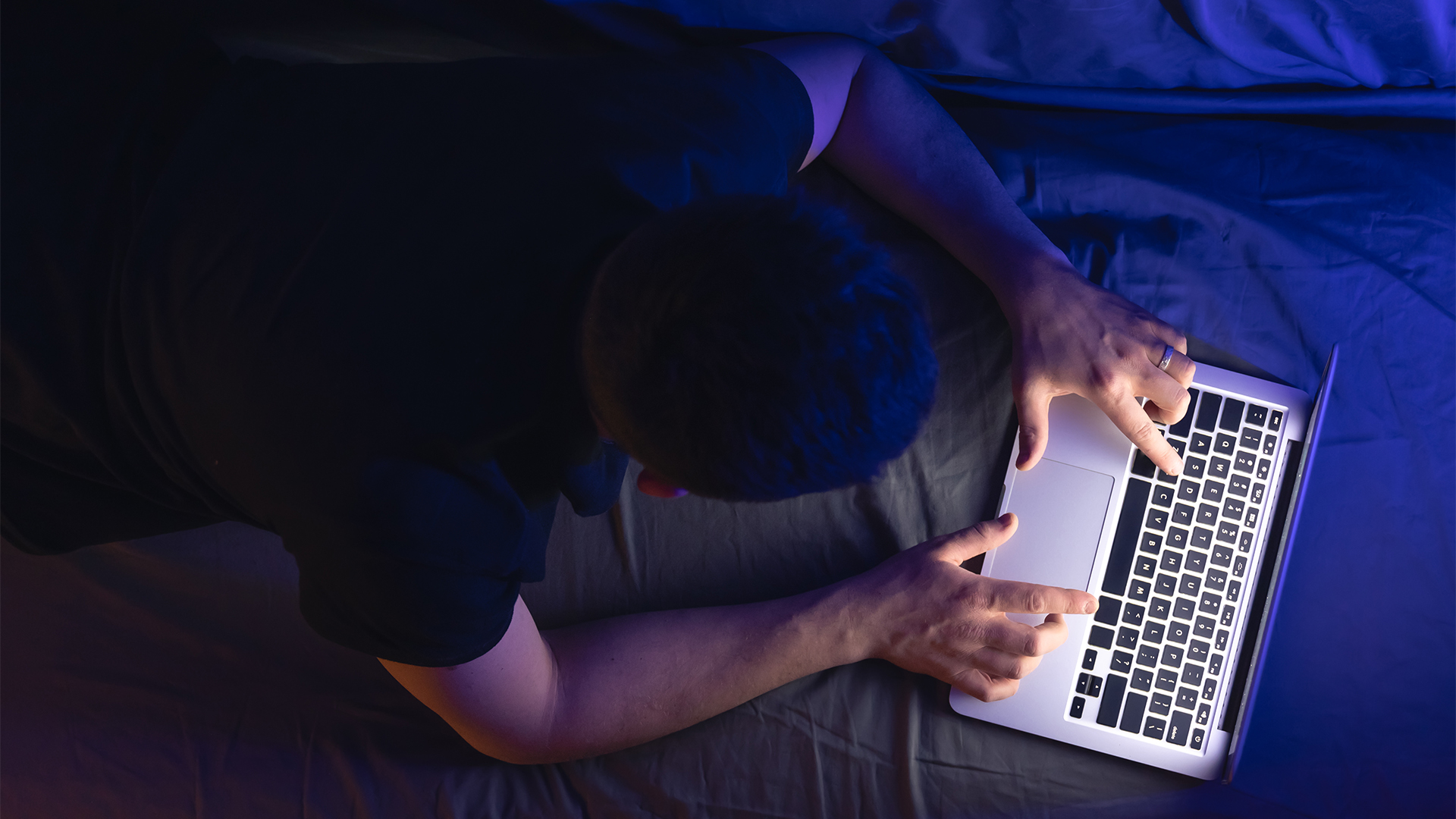
The Science Behind Why Screens Affect Sleep
For many people, using a phone before bed has become a normal part of the nightly routine. Whether it is checking emails, scrolling through social media, watching videos, or replying to messages, screens are often the last thing the brain interacts with before sleep. While this habit may seem harmless, it can significantly affect sleep quality, recovery, and overall health over time.
The human body follows a circadian rhythm — an internal biological clock that regulates sleep, energy levels, hormones, and recovery. One of the biggest factors influencing this rhythm is light exposure.
As evening approaches and natural daylight decreases, the brain begins producing melatonin, a hormone that signals the body to prepare for sleep. Melatonin helps slow down the nervous system, relax the body, and support deeper recovery during sleep.
However, exposure to screens at night can interfere with this process.
Phones, laptops, televisions, and tablets emit blue light, which tells the brain to stay alert and awake. This blue light suppresses melatonin production, making it harder for the body to naturally transition into sleep mode. As a result, people often take longer to fall asleep and may experience lighter, lower-quality sleep.
The effects go beyond simply feeling tired the next morning.
Poor sleep quality can influence:
- concentration,
- stress levels,
- mood,
- metabolism,
- recovery,
- energy,
- and overall mental performance.
Another important factor is overstimulation. Social media feeds, work notifications, videos, and constant digital content keep the brain mentally active at a time when it should be slowing down. Even after putting the phone away, the brain may remain alert, making it difficult to enter deeper sleep stages.
In high-stress modern lifestyles, this creates a cycle where people already feel mentally overloaded during the day and continue stimulating the nervous system late into the night. Over time, poor sleep recovery may contribute to higher stress levels, fatigue, irritability, and reduced focus.
The good news is that improving sleep quality does not always require dramatic changes. Small nighttime habits can make a significant difference.
Helpful practices include:
- avoiding screens at least 45–60 minutes before bed,
- using warm lighting in the evening,
- turning off unnecessary notifications,
- keeping phones away from the bed,
- replacing scrolling with calming activities such as reading or breathing exercises.
Protecting sleep is one of the most important investments in long-term health and recovery. In modern lifestyles where screen exposure is unavoidable, creating better nighttime boundaries can help the body recover more effectively and support better overall wellness.
Sources
- Harvard Medical School — Blue Light and Sleep
- Sleep Foundation — Blue Light Effects on Sleep
- National Sleep Foundation — Electronics and Sleep Quality
Share :