
Pre-Diabetes Is Not a Warning. It’s Already Happening.
Pre-Diabetes Is Not a Warning. It’s Already Happening.
When a doctor says “your numbers are borderline,” it’s easy to feel like you’ve dodged a bullet. You might think you have a “grace period” before you need to take your health seriously. But here is the reality: pre-diabetes isn’t a waiting room for diabetes. It is an active metabolic condition, and it is already changing your physiology right now.
What Pre-Diabetes Actually Means: The “Hidden” Struggle
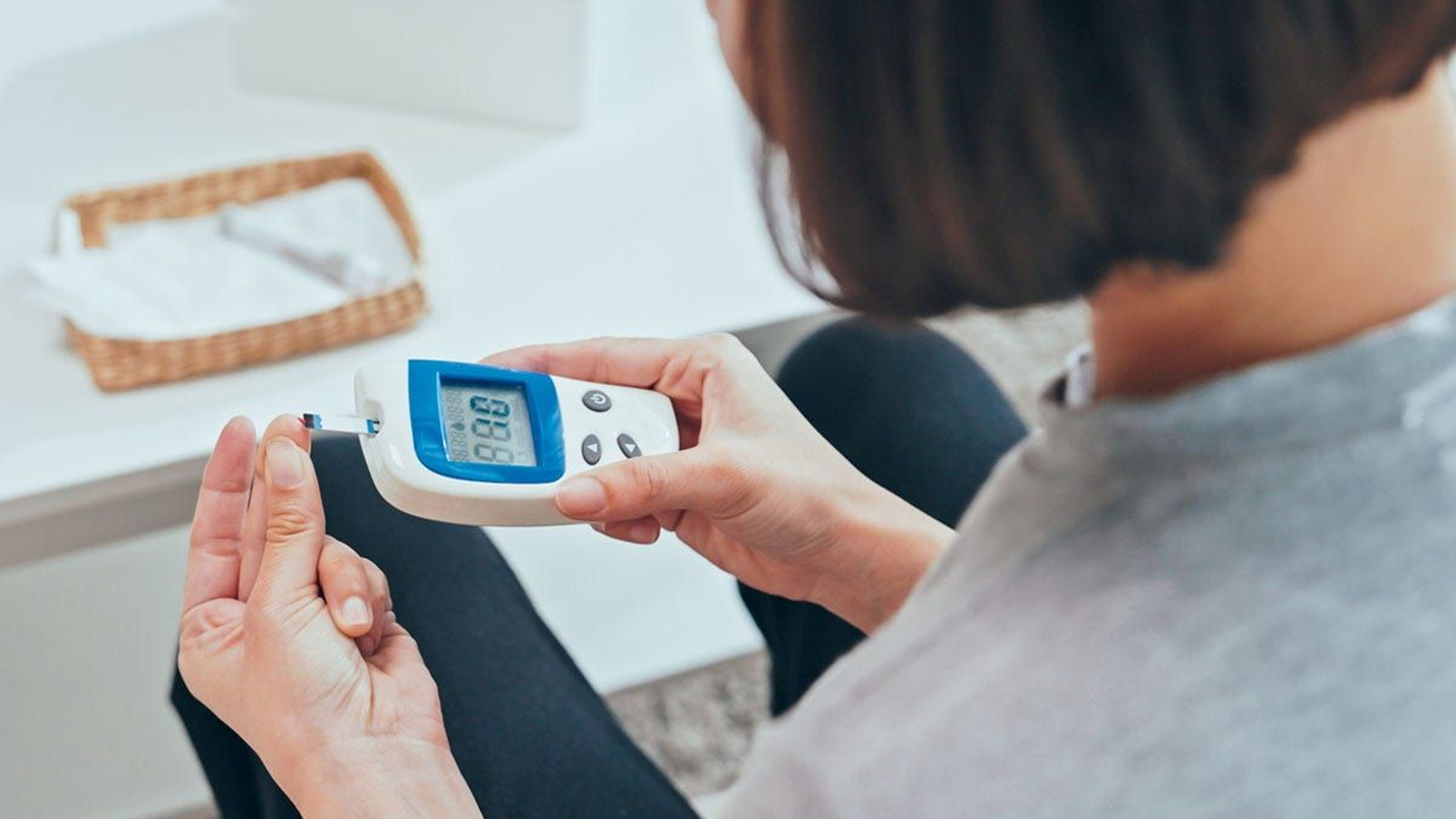
Pre-diabetes is clinically diagnosed when your fasting blood glucose is 100–125 mg/dL, or your HbA1c (average blood sugar over 3 months) is between 5.7–6.4%.
However, these numbers are just the surface. Beneath them lies insulin resistance. This is a state where your cells—specifically in your muscles, fat, and liver—stop responding effectively to insulin. Think of insulin as a “key” that unlocks your cells to let energy (glucose) in. In pre-diabetes, the lock is getting rusty.
To compensate, your pancreas works overtime, pumping out extra insulin to force the “locks” open. You may have normal blood sugar levels for years while this is happening, but eventually, the pancreas can’t keep up. By the time your blood sugar hits the pre-diabetic range, significant metabolic stress has already occurred.
A Global Epidemic in Disguise
The scale of this issue in India is staggering. According to the landmark ICMR-INDIAB study, over 136 million Indians are living with pre-diabetes. To put that in perspective, that is roughly 15.3% of the entire adult population—and much like the global trend, over 80% of these individuals are completely unaware that their blood sugar has crossed the safety line.
While we often hear about the “American epidemic,” India is facing a unique “perfect storm” of metabolic risk:
- The “Thin-Fat” Phenotype: Genetically, South Asians are prone to higher levels of visceral (internal) body fat even at a lower BMI. You don’t have to “look” overweight to be metabolically pre-diabetic.
- The Carbohydrate Heavyweight: Modern Indian diets have shifted toward an extreme reliance on refined grains. Indian adults currently consume about 62% of their total energy from carbohydrates—one of the highest rates in the world—often at the expense of necessary protein.
- Rapid Urbanization: As cities grow, daily physical movement has plummeted. The shift from active, manual lifestyles to sedentary desk-based work has left our metabolisms without a natural outlet for the glucose we consume.
The Damage Is Already Starting
The most dangerous myth about pre-diabetes is that “real” damage only happens after a Type 2 diagnosis. Research published in The Lancet and other major journals tells a different story: microvascular and macrovascular damage begin the moment blood sugar stays elevated.
Even at the “borderline” stage, the body begins to show signs of:
- Retinopathy: Subtle damage to the small blood vessels in the eyes.
- Nephropathy: Early-stage kidney stress as the organs struggle to filter excess glucose.
- Neuropathy: Nerve tingling or numbness, particularly in the hands and feet.
- Cardiovascular Strain: Heart disease risk rises significantly during pre-diabetes because high insulin levels can lead to inflammation and plaque buildup in the arteries.
The Good News: It Is Reversible- The Three Pillars of Reversal:
- The 5–7% Rule: Losing just a small amount of body weight (about 10–15 lbs for a 200 lb person) can drastically improve insulin sensitivity.
- The Power of Walking: Aiming for 150 minutes of brisk walking per week acts like “natural insulin,” helping your muscles burn glucose without needing extra help from the pancreas.
- The Carb Quality Shift: It’s not just about “no sugar.” It’s about reducing refined carbohydrates (white rice, white bread, flour) and replacing them with fiber-rich whole foods that prevent blood sugar spikes.
The Overlooked Lever: Sleep
While diet and exercise get the spotlight, sleep is the silent regulator of metabolism. Research shows that even one night of poor sleep can induce a temporary state of insulin resistance the following day. Chronic sleep deprivation elevates cortisol, which signals your liver to release more glucose into the bloodstream, making pre-diabetes much harder to manage.
Take Action Today
Pre-diabetes isn’t a “maybe.” It’s an active internal alarm. However, that alarm is a gift—it is the only stage of the disease where you have the most power to turn the tide.
At Exactly Health, we believe in proactive health—not reactive treatment. Don’t wait for a “borderline” number to become a permanent diagnosis.
SOURCES
→The Findings: The study revealed that India has over 101 million people with diabetes and 136 million with pre-diabetes (15.3% of the population).
Share :